.jpg)
.jpg)
.jpg)
.jpg)
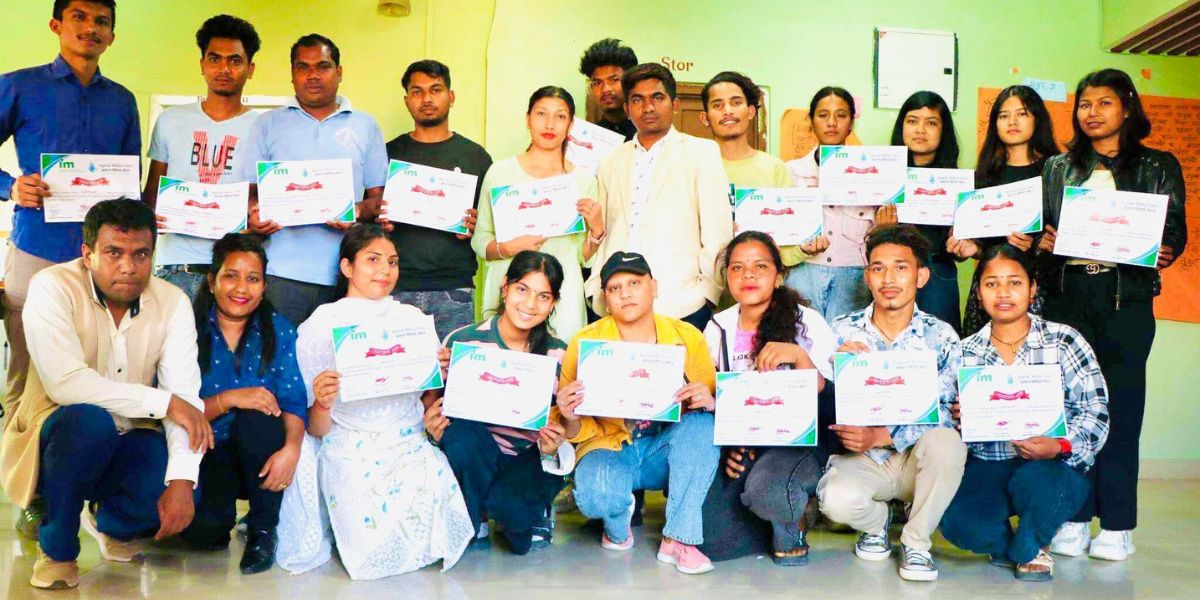
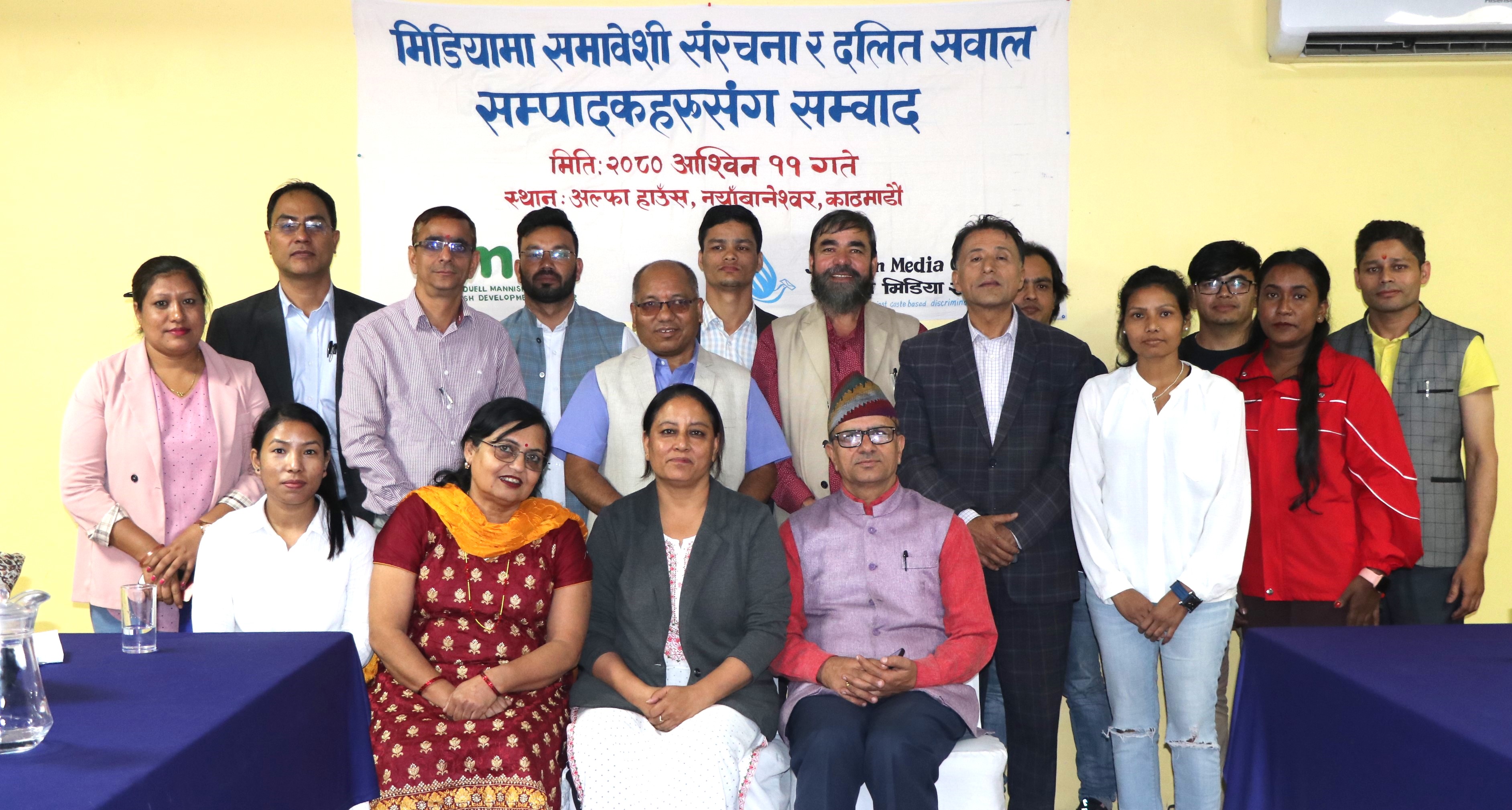
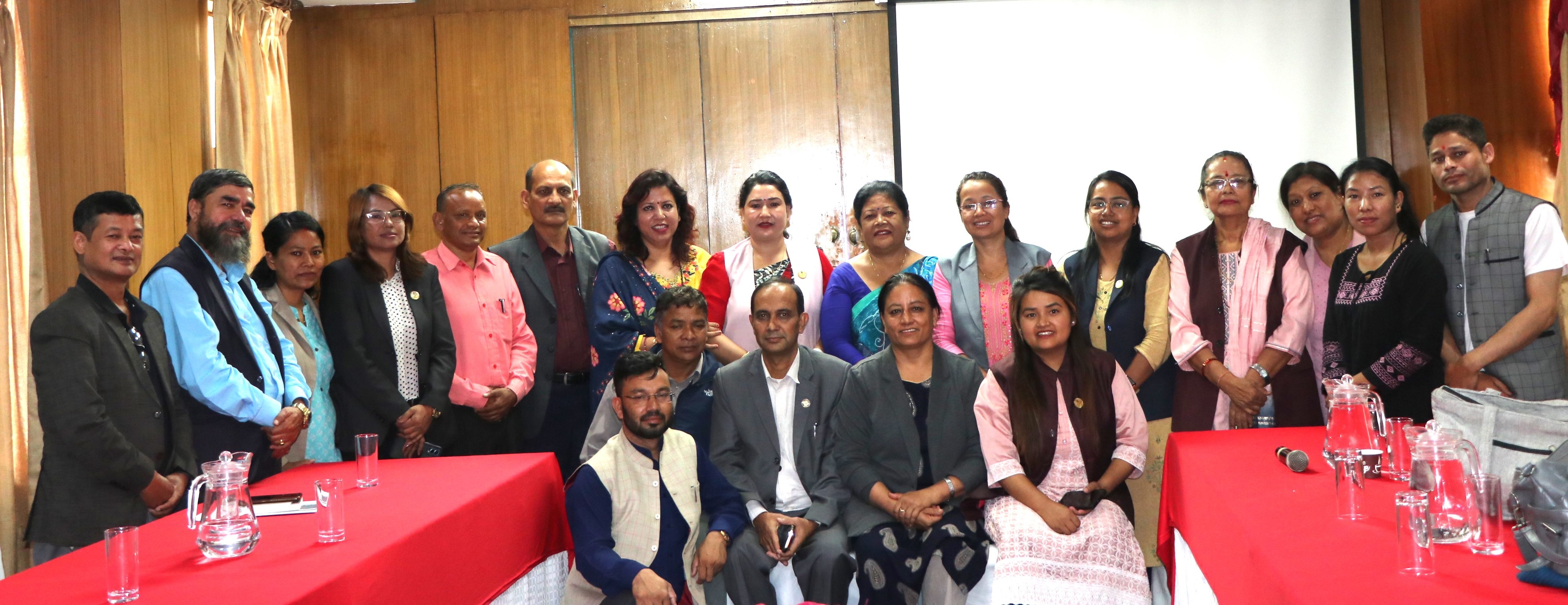
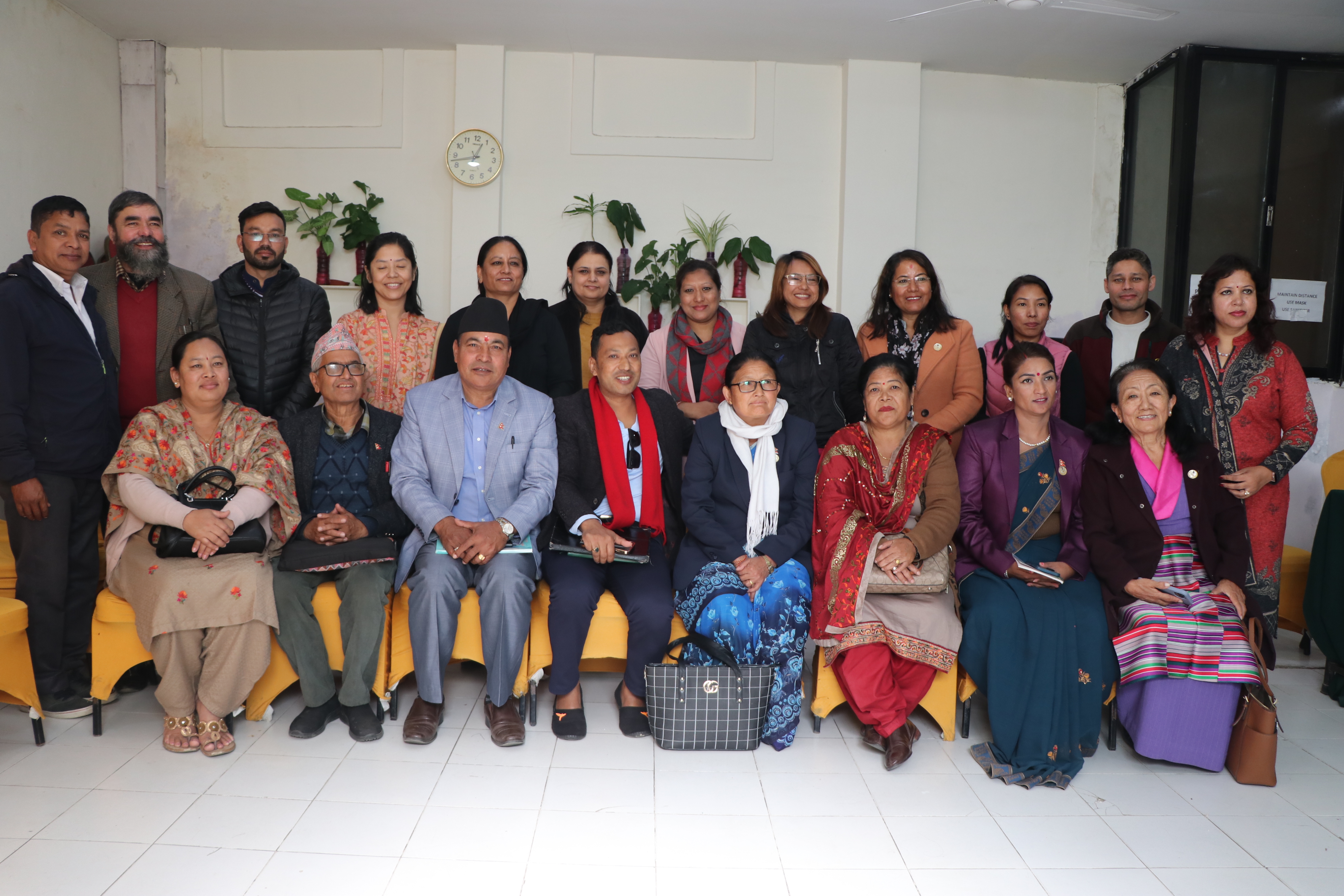
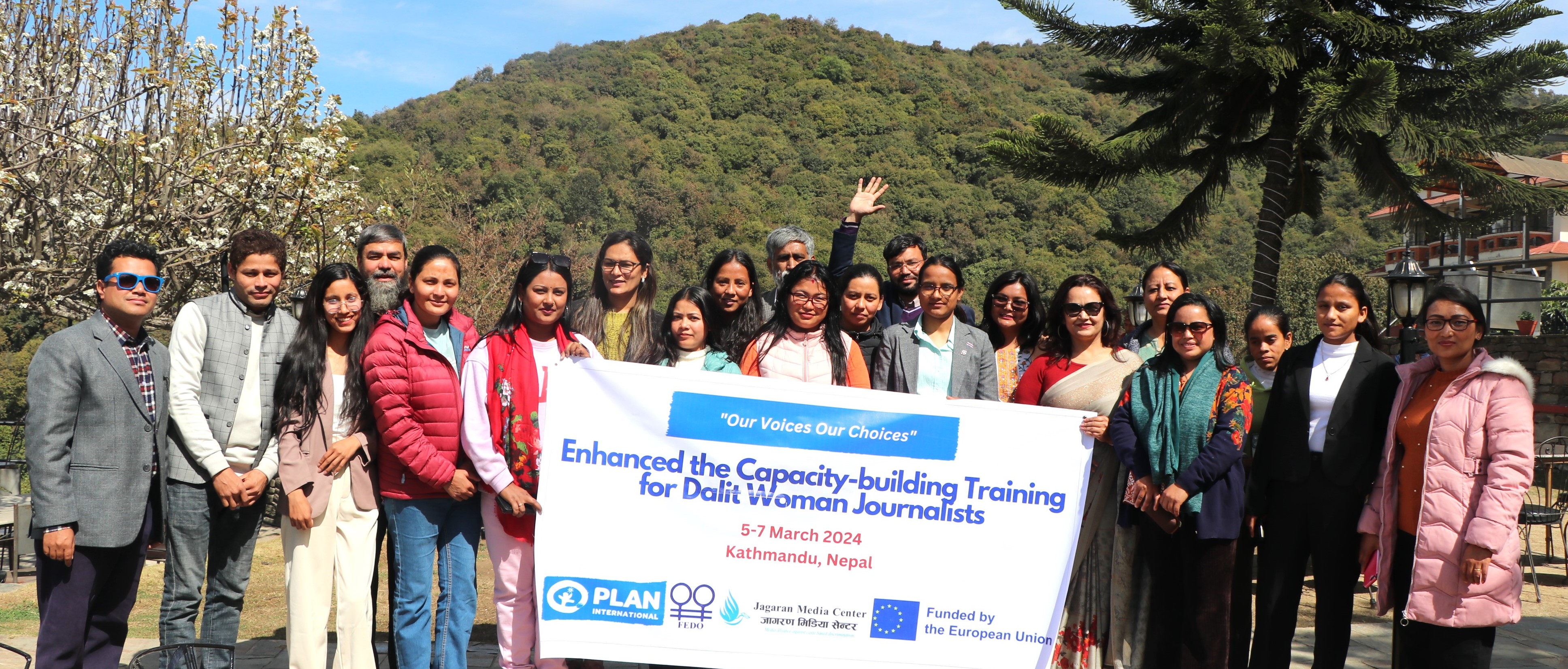
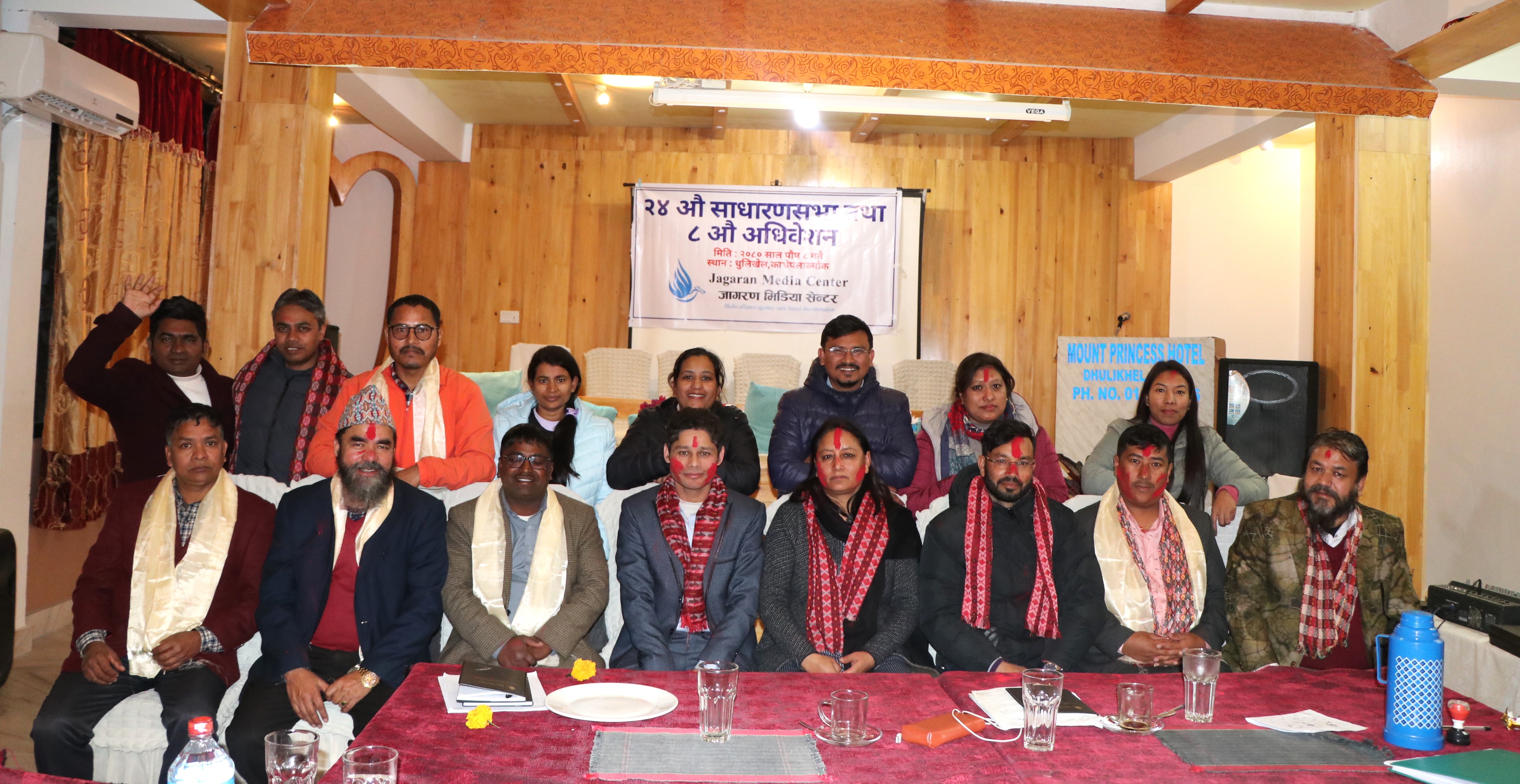
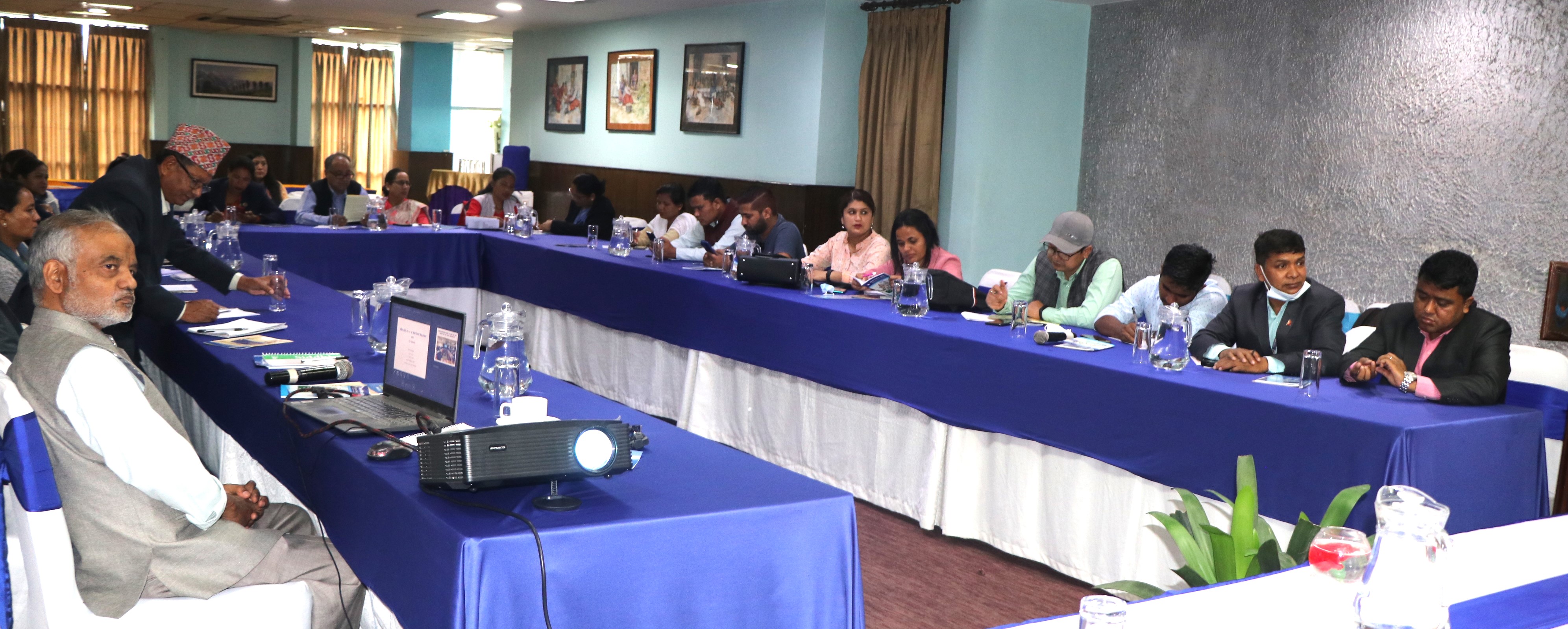
The Jagaran Media Center (JMC) is a non- governmental organization established in 2000, established and run by journalist from Dalit community. The organization advocates to eliminate caste-based discrimination and create a more equitable, inclusive, and secular society through media mobilization at local, national and international level. JMC has been supporting to enhance the capacity of Dalit Journalists, promoting for inclusive media, both in term of inclusion of Dalit journalists and content for news reporting on Dalit issues. . In addition, JMC has been working Read More
JMC desires a just and equitable society in Nepal
JMC has mission to work for ending all forms of discrimination against Dalit and marginalized communities together with other groups to build an equitable society working mainly through mass media.
To raise voice against untouchability and all form of discrimination and promote equal and just society through media mobilization, campaign, collaboration, and networking.
• Campaign for Human Right
• Collaborative work culture
• Freedom of expression
• Scientific culture
• Gender equality
• Democratic values and principles
• Youth engagement
• Non-discrimination
Journalism training
workshop /seminar / program SERVICE
Geographical coverage of all Province 7
PROGRAM ORGANIZED
PROJECT CONDUCTED
DISTRICT REACHED
TRAINING CONDUCTED
.jpg)
Sub-Social media campaign (Facebook, Twitter, LinkedIn, and YouTube): In order to mainstream the voice of Dalit community, JMC mobilizes social media platforms on regularly basis. JMC’s website, blog, Twitter, YouTube, LinkedIn, and Facebook page disperse Dalit NEWS on a daily basis. It has become a valuable tool to interact with members and interested parties. The news and information on Dalit and marginalized communities are collected, produced, and disseminated through the social media platforms.
More on Youtube