Kathmandu, November 28: Nepal has called for stronger national monitoring, regional accountability mechanisms, and effective enforcement of laws to address caste-based discrimination, highlighting persistent barriers to justice for victims despite constitutional and legal protections.
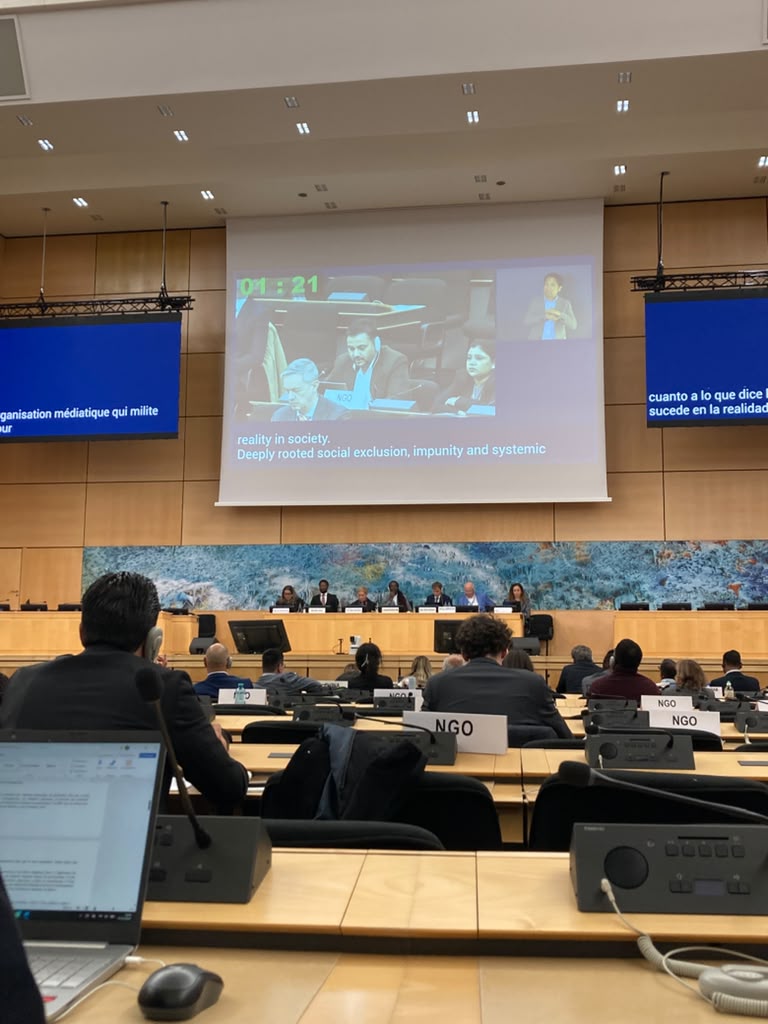
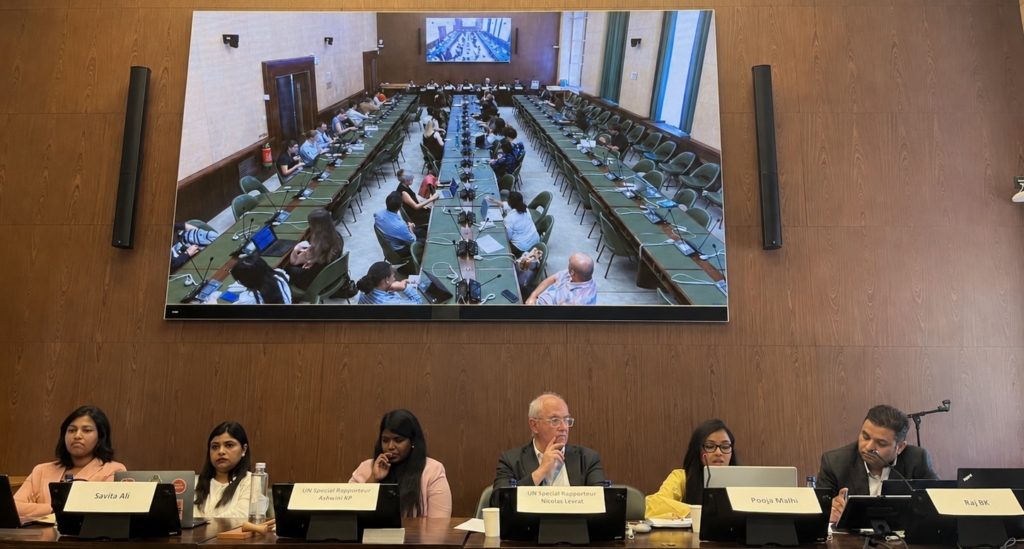
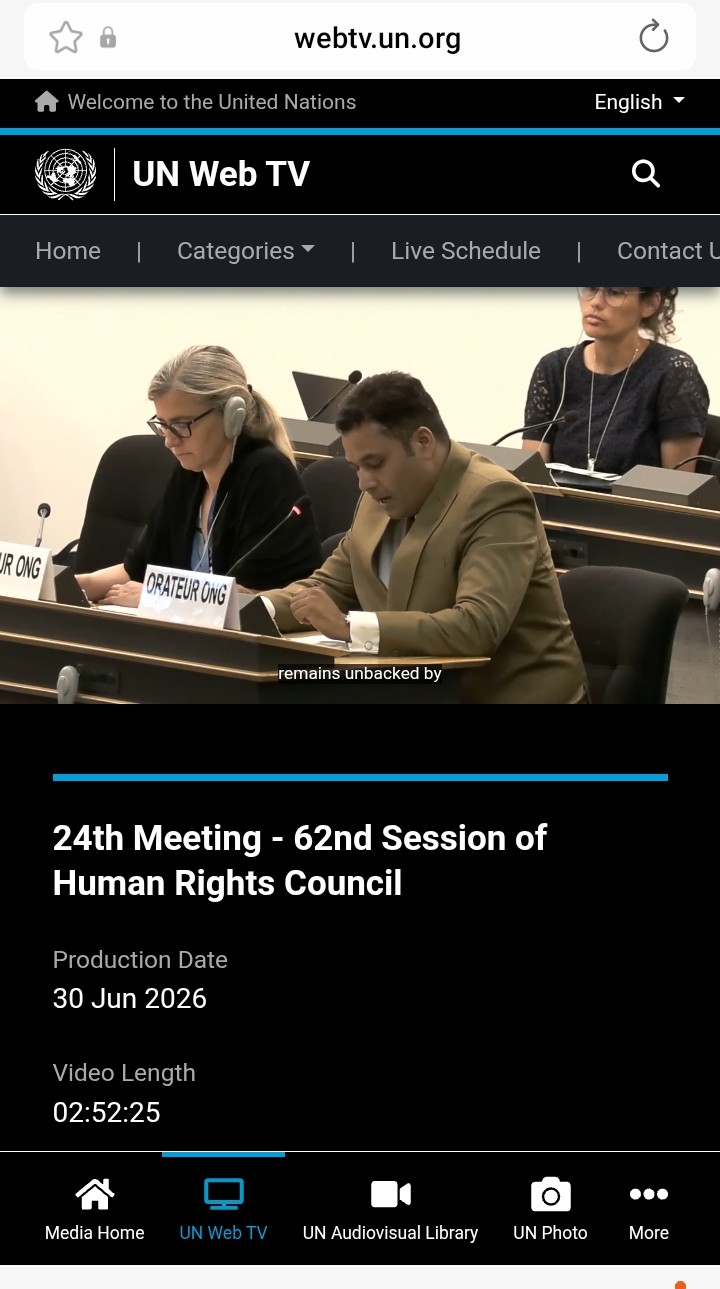
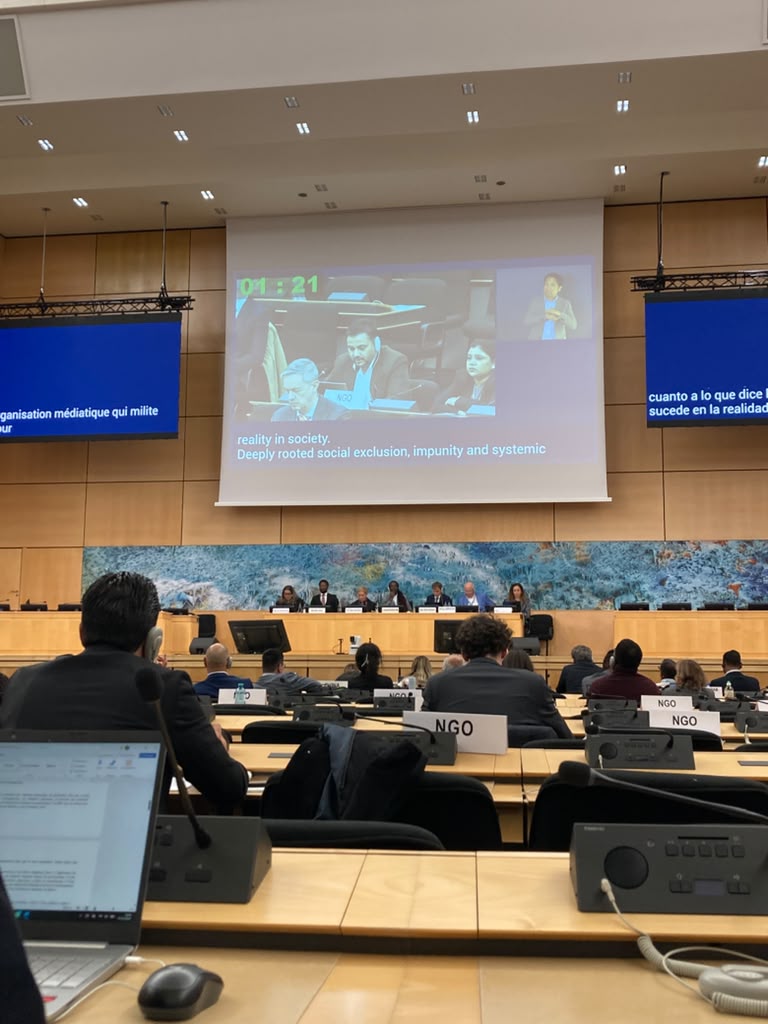
Speaking at the 19th Session of the United Nations Forum on Minority Issues on November 27, Raj Kumar B K, Executive Director of Jagaran Media Center (JMC), presented a statement jointly on behalf of JMC and the International Dalit Solidarity Network (IDSN) during Panel 3, titled Enforcing Minority Rights Regionally through Monitoring, Litigation and Other Accountability Processes.
In his statement, B K said that Nepal's constitutional framework and international treaty obligations provide strong protections against untouchability and caste-based discrimination. However, a significant gap remains between legal guarantees and their implementation in everyday life.
He pointed to deeply rooted social exclusion, impunity, and systemic barriers that continue to prevent victims from accessing justice.
According to B K, reports from different parts of Nepal indicate that authorities often refuse to register First Information Reports (FIRs) in cases of caste-based violence. Victims are also reportedly pressured into illegal community-level mediation and discouraged from pursuing legal proceedings.
He further highlighted the absence of a regional judicial mechanism in Asia to enforce decisions on caste-based discrimination, leaving survivors with limited regional remedies when domestic justice systems fail to hold perpetrators accountable.
Calling for stronger international and regional action, B K urged UN member states and relevant mechanisms to strengthen national monitoring systems, invest in litigation led by Dalit civil society organizations, and advance regional accountability and monitoring processes.
He also emphasized the need for effective implementation of existing laws against caste-based discrimination to ensure that constitutional rights translate into justice and protection for affected communities.
The statement underscored the importance of strengthening accountability at national and regional levels so that victims of caste-based discrimination can access justice and perpetrators are held responsible.